
If you’re an educator, administrator, or just someone keeping an eye on the future of learning, you’re probably wondering what’s next in educational technology trends.
Good news: 2026 is all about real tools solving real classroom problems.
From AI that helps grade essays to TikTok videos that explain calculus, the EdTech trends shaping 2026 are already changing how students learn and how teachers teach. And they’re backed by serious numbers.
Let’s walk through what’s actually about to unfold, and what the latest research shows.
1. AI That Helps Teachers (Not Replaces Them)
Forget sci-fi fantasies. AI in education is already here, and it’s working with teachers, not against them. As of 2025, 60% of teachers use AI regularly, whether it’s for lesson planning, grading, or generating quizzes. And students? Nearly 89% admit using ChatGPT for homework, according to a detailed look at AI in education statistics.
But here’s the shift for 2026: schools aren’t just experimenting anymore. They’re setting clear policies so AI is used ethically and transparently. Think of it like a teaching assistant who never sleeps, but only if you guide it well.
And the market agrees: the global AI-in-education sector hit $7.6 billion in 2025, up 46% from the year before, and is expected to balloon past $100 billion by 2034.
If you're still out there testing waters with AI, wondering if it will replace you. Here’s the Truth Every Educator Needs to Know.
2. Learning That Adapts to Each Student

One-size-fits-all teaching is fading fast. In 2026, personalized learning powered by AI will be standard in both K–12 and college classrooms.
How does it work? Platforms track how a student answers questions, where they pause, and what trips them up. Then, adjust the difficulty in real time. Struggling with fractions? The system gives extra practice. Nailed algebra? It moves you ahead.
The results speak loudly:
- Students in AI-enhanced active learning environments scored 54% higher on tests than peers in traditional classes
- Personalized AI learning can boost outcomes by up to 30%
And it’s not niche anymore. Virtually every major learning management system now offers adaptive features, and the global adaptive learning market is growing by over 20% annually.
3. Using Data to Spot Struggles Before They Happen
Imagine knowing a student might fail before they do, so you can step in early. That’s the power of learning analytics, and it’s getting smarter in 2026.
Schools now collect data on everything: logins, quiz attempts, time spent on tasks, even emotional reactions through new sentiment analysis tools. One standout result? Knowledge retention jumped from 25% to 60% over the past decade as schools used data to refine teaching.
Instructors use dashboards to:
- Flag at-risk students
- Adjust lessons based on real-time feedback
- Track attendance and assessment quality
As one forward-looking EdTech analysis notes, AI will soon predict not just if a student might struggle, but which learning strategy will work best for them.
4. Learning by Doing, Inside a VR Headset
Reading about ancient Rome is one thing. Walking through the Colosseum in VR is a whole different kind of remembering.
Immersive learning with AR and VR is exploding not just for fun, but for results. A PwC-backed study shows VR learners feel 3.75 times more emotionally connected to content than in a regular classroom. And they retain 76% more than with traditional methods.
In 2026, expect to see:
- Virtual field trips in middle school history
- AR overlays in high school chemistry labs
- VR simulations in corporate training
The market backs it too: AR/VR in education is projected to hit $28.7 billion by 2030, growing over 30% each year.
When VR learning is raised in conversations, one thing always comes top of mind: it's expensive. Here's a list of 7 Best Practical AR/VR Hacks for Every Classroom when you're on a budget.
5. Turning Homework into a Game (That Actually Works)
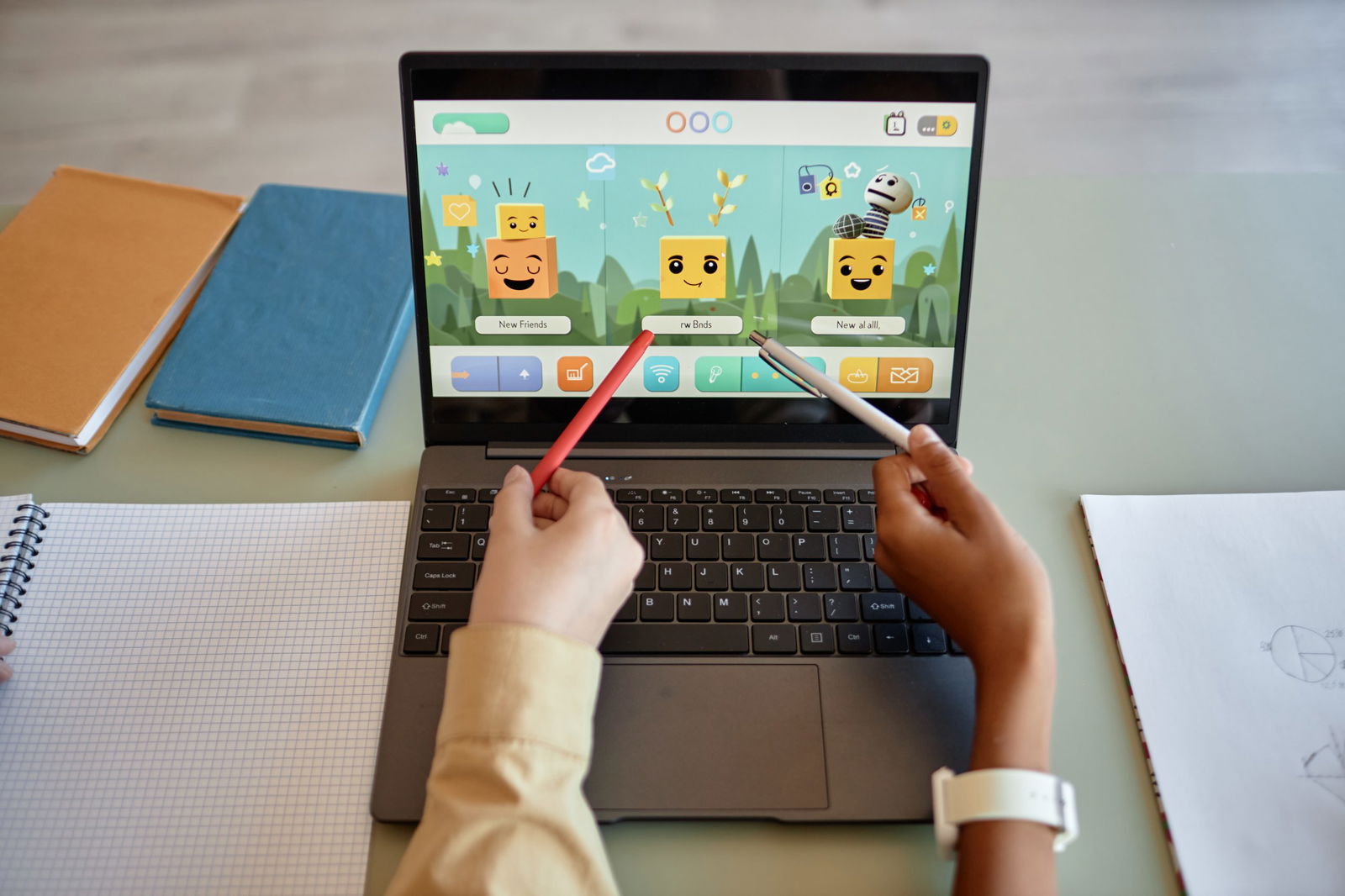
Gamification is a proven way to get students wanting to learn. In 2026, game mechanics are baked into everyday learning, and the results are solid.
For example, one study found that adding challenges and rewards boosted homework completion from 18.5% to 56.25%. Another showed a 34.75% jump in performance in subjects using challenge-based gamification.
And students love it. Most say gamified courses are more engaging than traditional ones. No surprise when you compare filling out worksheets to earning levels like in a video game.
The numbers don’t lie: the global education gamification market hit $27.5 billion in 2025, and it’s only growing.
Speaking of gamification, take a look at Easy Gamification Examples in the Classroom for Busy Teachers.
6. Micro-Credentials That Carry Macro Weight
Degrees aren’t the only way to prove you know your stuff anymore. Enter micro-credentials: digital badges, nanodegrees, and skill-based certificates that show exactly what you can do.
Why does this matter in 2026? Because 72% of employers prefer candidates with targeted micro-credentials over those with just a general degree, according to a major credentialing report.
And there are now over 1.85 million unique credentials in the U.S. alone.
Behind the scenes, blockchain makes these credentials trustworthy. Universities like MIT and companies like IBM already issue blockchain-backed certificates that employers can verify in seconds, which means no more waiting for transcripts or worrying about fakes.
The market reflects the shift: the digital badge space is set to triple by 2032, jumping from $312 million to $970 million.
7. Learning Happens on TikTok Now—Deal With It
You might not expect it, but TikTok is a legit learning platform in 2026. One in four U.S. users say they use it for education, and 69% of those students say it’s helped them finish homework, as Education Week reported.
YouTube, Instagram, and podcasts are in the mix too. Why? Because that’s where students already are.
Smart educators are leaning in:
- Assigning YouTube explainers as homework
- Creating 60-second TikTok recaps of key concepts
- Using influencer-style content to explain tough topics
The line between entertainment and education, “edutainment”, is blurring. And in 2026, the best teaching meets students where they scroll.
8. Fewer Apps, Better Connections

Remember juggling 10 logins just to teach one lesson? You’re not alone. U.S. school districts used an average of 2,591 different EdTech tools during the 2022–23 school year, according to K–12 Dive.
In 2026, the trend flips: integration over addition. Schools are ditching the app chaos for unified ecosystems: platforms that bundle video, grading, analytics, and content in one place.
Key moves include:
- Using LTI and APIs to connect tools
- Choosing cloud-based suites from major providers
- Prioritizing single sign-on and data flow
The goal? Less tech fatigue, more teaching.
9. Protecting Student Data Like It’s Gold
With more tech comes more risk. In 2023 alone, U.S. schools faced a record 121 ransomware attacks, up from 71 the year before, as Cybersecurity Dive reported.
Even scarier: 96% of EdTech apps share student data with third parties often without clear consent.
So in 2026, cybersecurity isn’t optional. Schools are:
- Adding multi-factor authentication
- Running regular security audits
- Training staff on digital hygiene
- Exploring blockchain for secure records
And help is coming: the FCC just launched a $200 million program to boost K–12 cybersecurity defenses.
10. Learning That Mixes Online and In-Person
The pandemic made online learning permanent. In 2026, blended learning is the norm.
Consider this:
- 98% of universities still offer online courses
- 73% of students want to keep taking them, even post-pandemic
- 70% say online learning is as good or better than in-person
Models like HyFlex (attend live or stream) and flipped classrooms (watch lectures at home, do activities in class) are now standard.
And it’s not just about convenience. Online formats often boost retention because students can rewind, pause, and learn at their own speed.
As Yuja’s 2026 trends report highlights, schools are investing in better LMS platforms, virtual labs, and teacher training to make hybrid learning work long-term.
Keeping Up With Educational Technology Trends
Keeping up with educational technology is about staying responsive, and making sure you’re still reaching your students in ways that actually work.
But with new tools and buzzwords flying around every month, how do you keep up without feeling buried?
A few small mindset shifts can help:
- Pick one new thing at a time. You don’t need to try all ten trends. Start with the one that actually solves a pain point you’ve had for a while.
- Look for tools that fit your workflow. If something adds friction or makes your job harder, it’s probably not worth your time.
- Lean into platforms you already use. You’d be surprised how much magic you can unlock in tools you already know, just by adding the right layer on top.
And that’s exactly why so many educators are turning to ClassPoint.
It doesn’t ask you to reinvent your lessons from scratch. Instead, it layers right onto PowerPoint, the tool you already use, and brings it to life with interactive quizzes, gamified participation, and instant feedback from your students.
In a world full of flashy trends, ClassPoint keeps things simple, rooted in real classroom moments. As its name suggests, you can conveniently bring your classroom to PowerPoint.
Which, honestly, might be the trend that matters most.
