There are moments in every classroom when teachers make quick decisions. Who to call on. How much time to give a student. How to grade a response. These choices often happen fast, shaped by experience, instinct, and time pressure.
But research shows that even the most dedicated teachers can carry unconscious patterns. These patterns can influence participation, grading, feedback, and opportunities. This is what we call teacher bias, and it can quietly shape the learning experience without anyone intending it.
This guide breaks down what teacher bias looks like, why it matters, and how simple changes in teaching strategy, paired with interactive tools like ClassPoint, can help create a more fair and inclusive learning environment.
What Teacher Bias Looks Like in Daily Teaching
Teacher bias does not always show up as obvious unfair treatment. It often appears in subtle, everyday choices:
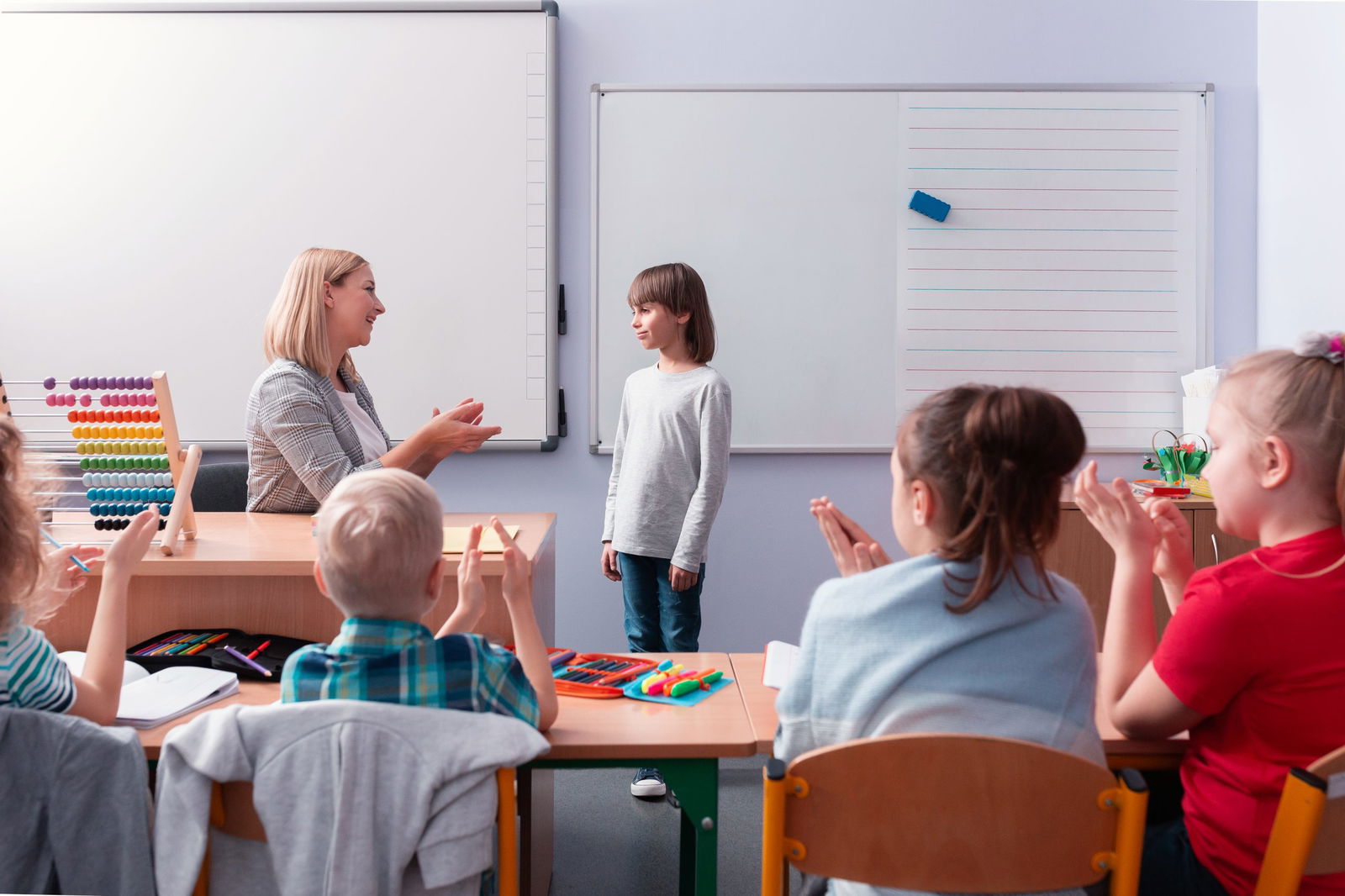
🤚 Participation bias. Some students get called on more often, usually because they raise their hands confidently, sit near the front, or share similar communication styles as the teacher.
📝 Feedback bias. Teachers may unintentionally give more detailed feedback to high-performing or outspoken students and shorter, more corrective feedback to others.
🎭 Behavior perception bias. Students with certain personalities or backgrounds may be perceived as more disruptive, even when behaviors are similar across the class.
🤔 Expectation bias. Teachers may expect more from some students and less from others, which can affect the type of questions asked, the level of challenge given, and the patience shown.
📉 Grading bias. When teachers can see a student’s name, handwriting, or other identifying details, their past experiences or expectations can unconsciously shape how they score the work.
As the situations explained above, teacher bias is rarely intentional. It is often an unconscious mental shortcut. The goal is not to blame teachers but to create structures that make the learning environment more equitable.
Why Recognizing Teacher Bias Matters
Teacher bias affects learning outcomes. Students who are overlooked participate less, take fewer risks, and begin to believe they are less capable. Students who receive limited feedback may not know how to improve. And when certain voices dominate the room, the classroom becomes less representative of the group as a whole.
How Teachers Can Avoid Teacher Bias
Avoiding teacher bias is not about perfection. It is about having simple, intentional routines that make classroom decisions more objective, more equitable, and less dependent on instinct.
Here are practical strategies teachers can integrate into everyday teaching, along with real situations that show how they work:
1. Use objective evidence before making assumptions
Sometimes a student looks confused, or a few are quick to answer confidently, and teachers assume the whole class understands. Instead of relying on gut feeling, quick checkpoints give a more accurate picture.
Here’s a real-life example:
You are teaching fractions. Three students nod eagerly, so you assume most understand. But when you run a 1-question pulse check (“Which fraction is bigger: 3/4 or 2/3?”), half the class selects the wrong answer. Your lesson direction shifts instantly because data, not assumptions, guides the next steps.
It works because it prevents teacher bias linked to expectations or past impressions.
2. Diversify participation formats
When participation relies only on hand-raising, the same students dominate. Offering different response types makes participation more inclusive.
Example situations:
| Classroom moment | A more equitable alternative |
|---|---|
| Only 5 students raise their hands for a discussion question | Let students type their thoughts in a short answer first. |
| A shy student rarely speaks up | Let them draw their explanation or upload an image. |
| Fast thinkers answer before others process | Use a 10-second silent thinking time before calling on anyone. |
It matters because students who communicate differently finally get space to contribute.
3. Standardize feedback routines
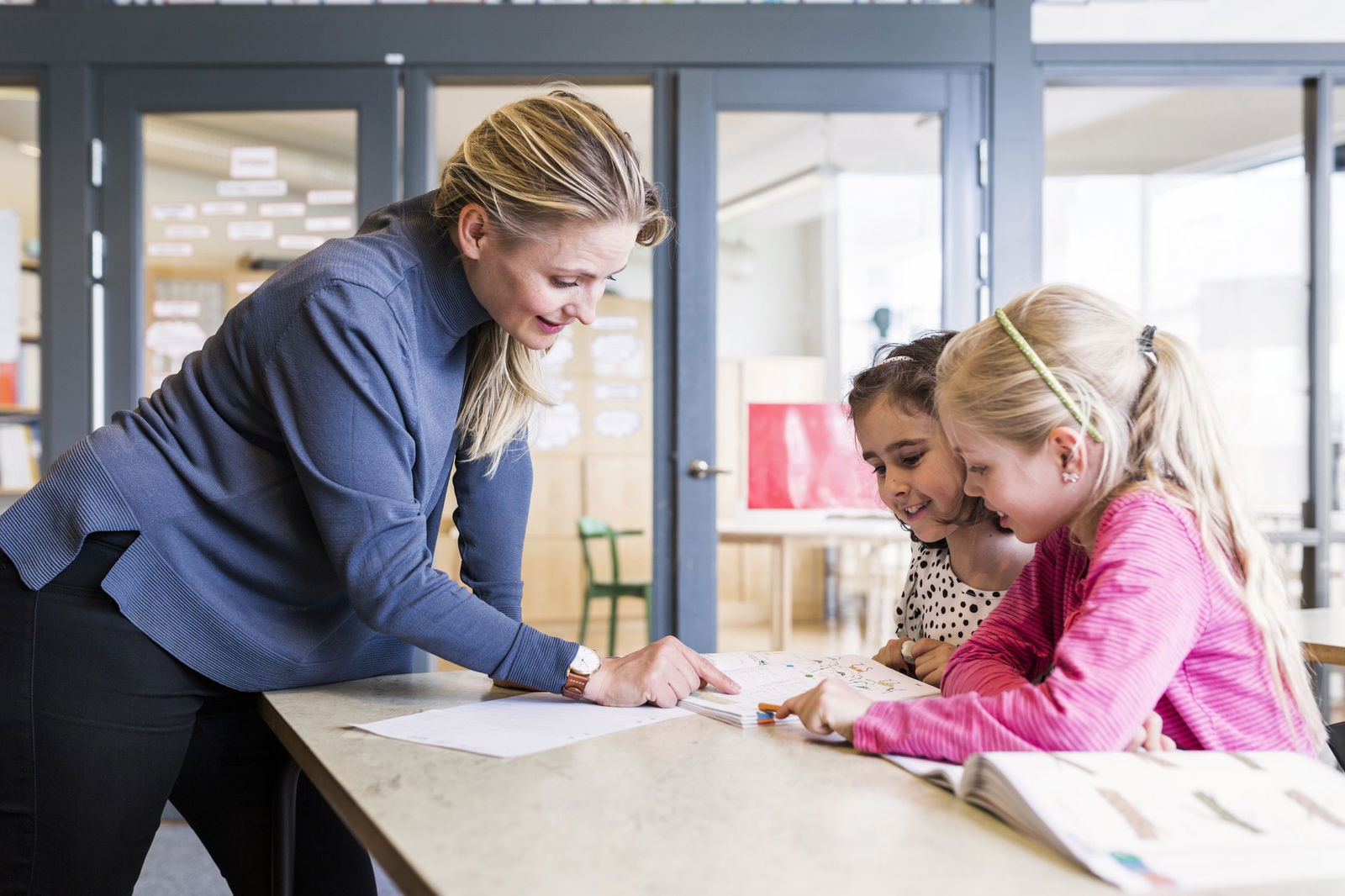
Teachers often give more detailed feedback to high-achieving or outspoken students without noticing. A consistent structure helps ensure fairness.
📍 Follow this structure: One strength + one area to improve + one next step
Example:
Two students submit essays. One writes with confidence, the other is hesitant. With a set structure, both receive equally detailed guidance instead of one getting a paragraph of feedback while the other gets a single line.
Consistent routines help neutralize unconscious preferences.
4. Review participation patterns regularly
Teacher bias becomes visible when patterns are tracked over time.
Signs to look for:
⚠️ Do you call on the same four students every lesson?
⚠️ Are certain students answering frequently but scoring low on checks?
⚠️ Which activities bring out responses from your quietest learners?
Real-life example:
After two weeks, you realize your strongest speaker has answered 70 percent of all verbal questions, while several students have answered none. With this awareness, you switch to more balanced participation structures.
Why this matters: Data makes invisible teacher bias visible.
5. Slow down decision-making in key moments
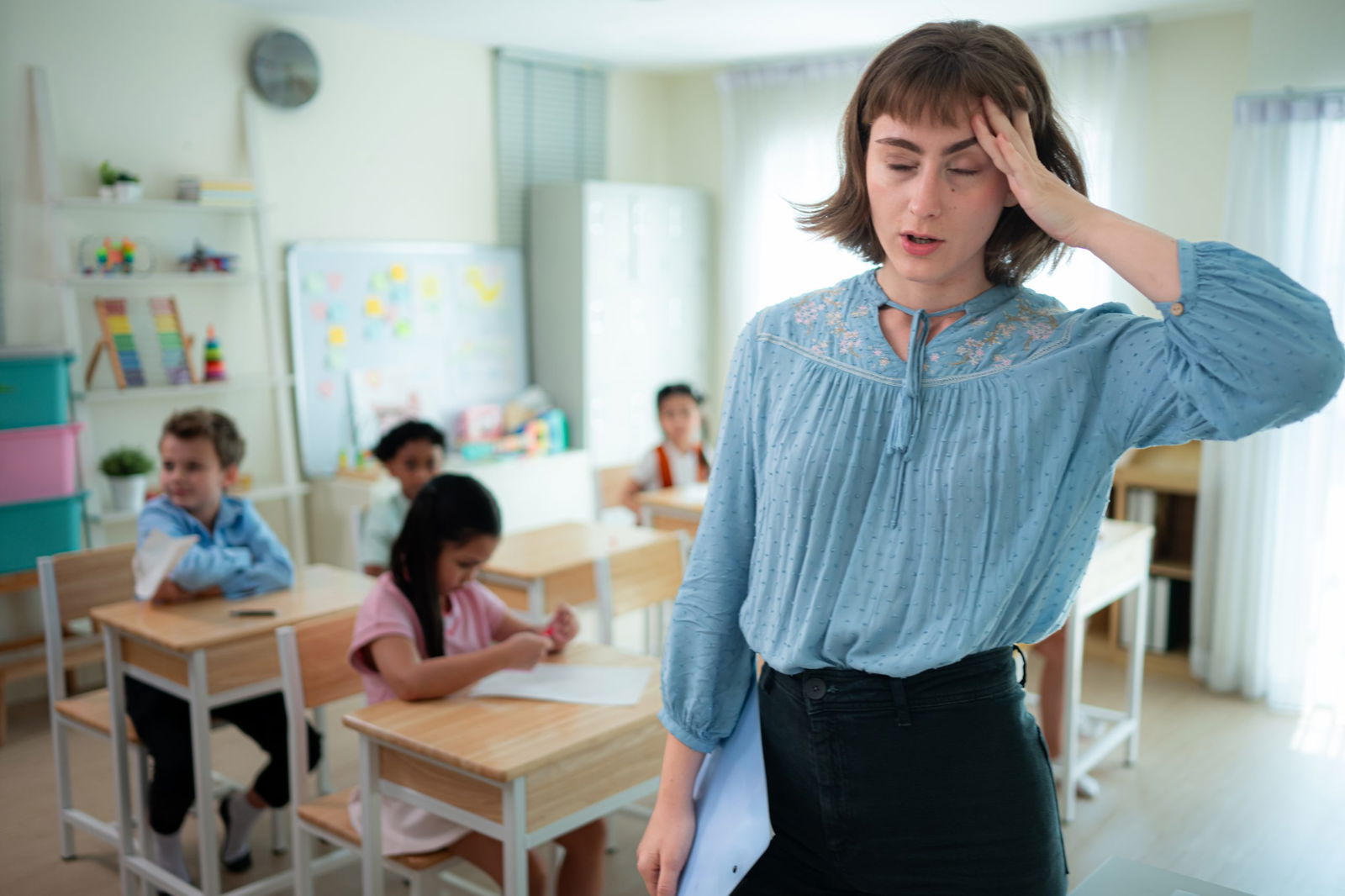
Teacher bias often appears during snap judgments.
Before reacting to behavior or grading a tricky answer, pause and ask:
🛑 “Is this behavior actually disruptive?”
🛑 “Would I respond the same way if another student did this?”
🛑 “Does this answer deserve partial credit?”
For instance, Two students whisper during group work. Your instinct says one is off-task because they often chat. A two-second pause lets you check first. They are actually clarifying directions.
Why this matters: A tiny pause can prevent misinterpretations.
6. Build habits that balance attention
Bias often shows up in who teachers “naturally” gravitate toward.
Small routines that help:
- Rotate which students you call on each day.
- Walk to different areas of the room deliberately.
- Create conference schedules rather than checking on the same few students first.
For example, you notice you spend more time with your front-row students. By intentionally starting check-ins from the back row twice a week, quieter students get equal access to your support.
Balanced attention reduces opportunity gaps.
7. Encourage student voice and self-advocacy
Students who feel safe speaking up reduce the likelihood that teacher bias will shape their learning experience.
Ways to build this:
🌟 Use anonymous questions to let students express confusion.
🌟 Ask, “What part of this feels unclear?” instead of “Who doesn’t get it?”
🌟 Give students time to reflect before responding.
Real-life example:
A student who rarely speaks up submits an anonymous question that reveals a misconception several others also had but were too shy to mention. You adjust your lesson, and the entire class benefits.
Why this matters: When students have multiple ways to express needs, fewer assumptions fill the gaps.
The good news is that small system-level adjustments can create big improvements. This is where interactive technology becomes powerful.
How ClassPoint Helps Reduce Teacher Bias
ClassPoint cannot remove bias entirely, but it can reduce the invisible patterns that affect participation, feedback, and assessment. The goal is to give every student an equal chance to be heard, seen, and supported.
1. Name Picker reduces participation bias
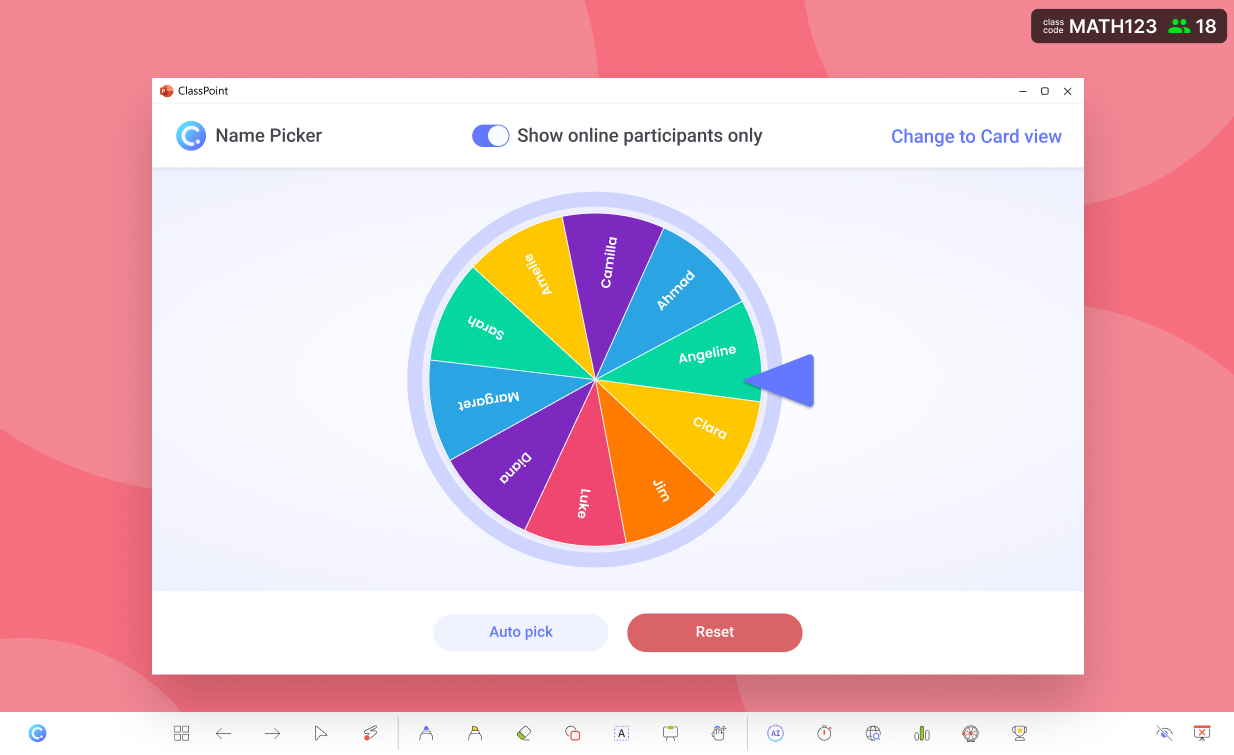
Many teachers have a mental list of students they call on first. Name Picker helps balance this by selecting students randomly. Quiet students have equal opportunity. Confident students do not dominate. Teachers can still skip or reshuffle when necessary, but the baseline is fair for everyone.
Impact: Over time, more students participate, and teachers gain a clearer sense of the voices they may accidentally overlook.
2. Short Answer and Quick Poll ensure every student can respond

Instead of relying on volunteers, Short Answer and Quick Poll gather responses from every student at once. This reduces preference patterns, speaking anxiety, and hand-raising bias.
How this helps:
- Shy students can express ideas without speaking
- All students contribute equally, not only the fastest responders
- Teachers base decisions on full-class responses, not a few voices
This builds more accurate evidence of learning and helps prevent assumptions about who understands and who does not.
3. Slide Drawing and Image Upload support different learning styles
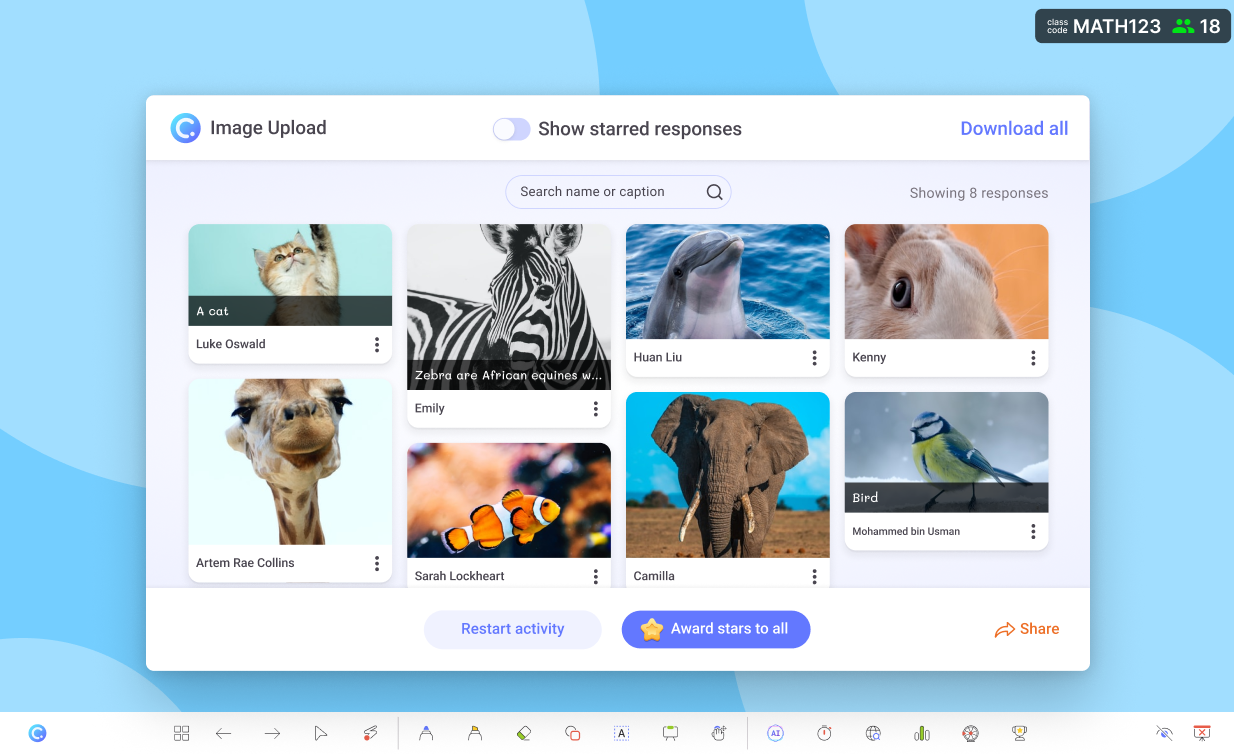
Sometimes bias stems from rewarding only one style of expression. ClassPoint lets students demonstrate understanding through drawing, marking, labeling, or uploading photos.
Students who think visually can show their reasoning fully. Students who struggle with writing gain another path to participate. This levels the playing field and reduces bias toward verbal dominance.
4. Anonymous mode encourages honest participation
In many cultures, students fear being wrong in public. Some other students are also shy to participate in class. Anonymous mode removes this pressure.
By clicking on the anonymous mode in ClassPoint’s interactive quizzes, teachers can view all responses privately before revealing selected ones.
This supports fairness because:
✅ Students answer more honestly
✅ Teachers evaluate ideas first instead of recognizing names
✅ Feedback becomes focused on reasoning rather than identity
Anonymous responses are powerful for formative checks, sensitive questions, and topics where bias can easily influence judgment.
5. Class Activity Reports help teachers reflect on patterns
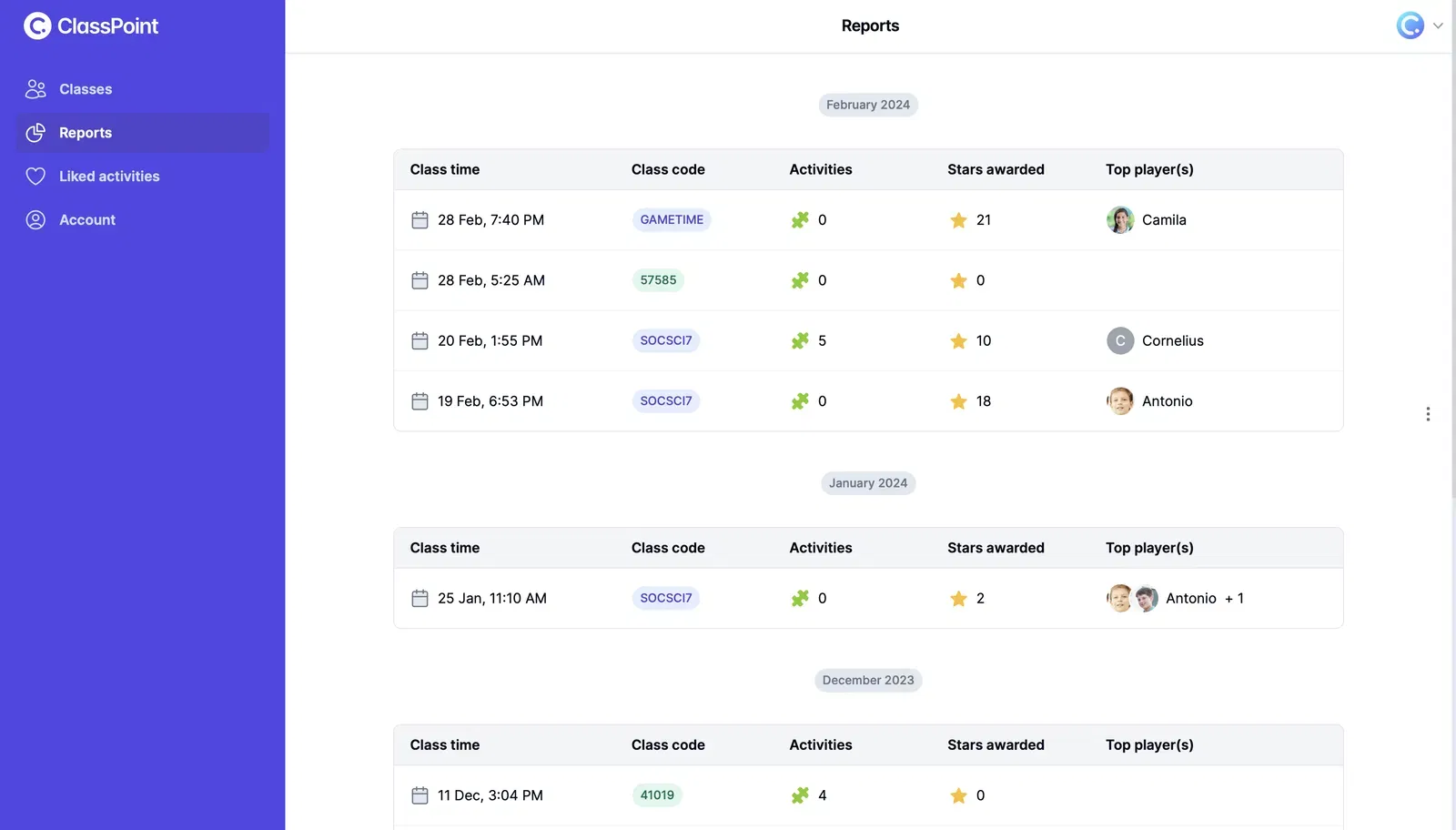
Bias is difficult to notice in the moment. Reports make this easier by showing participation and response patterns across multiple lessons.
Teachers can see who participates often/less, which activity types engage which students, and how accurate responses vary across the class.
This helps teachers identify unseen gaps and adjust strategies to make learning more equitable.
FAQs
Can teacher bias affect high-performing students too?
Yes. Teacher bias does not only disadvantage struggling students. High-performing students may receive less scaffolding because teachers assume they already “get it,” or they may be overlooked when they need emotional or academic support. Bias can also lead teachers to push high achievers too hard based on expectations rather than actual readiness.
Is teacher bias the same as discrimination?
Not exactly. Discrimination is intentional unfair treatment. Teacher bias is usually unintentional and unconscious. Most educators want to be fair, but subtle mental shortcuts can influence decisions without teachers realizing it. Recognizing this difference helps teachers address teacher bias without feeling blamed.
How early can teacher bias begin to influence students?
Research shows teacher bias can shape student confidence and participation as early as preschool and early elementary grades. Young children quickly pick up on which classmates get more attention, praise, or correction, and these patterns can influence their long-term academic identity.
Does teacher bias only involve academic decisions?
No. Teacher bias can affect behavior interpretation, classroom management, group assignments, who receives leadership roles, and who is encouraged to take academic risks. Many of these areas influence classroom belonging as much as academic success.
Can cultural differences contribute to teacher bias?
Yes. When teachers and students come from different cultural or linguistic backgrounds, misunderstandings can occur. A behavior that is normal in one culture may be misread as disrespect or disengagement in another. Awareness and culturally responsive teaching help reduce these mismatches.
Can technology create new types of teacher bias?
It can if used without intention. For example, relying only on fast responders in online chat tools can unintentionally favor outspoken students. But when used with features like anonymous input, randomized selection, or full-class submission tools, technology can actually reduce teacher bias rather than reinforce it.
How can schools support teachers in reducing teacher bias?
Schools can offer training on implicit bias, provide time for teachers to analyze participation and grading patterns, encourage collaborative moderation of assessments, and adopt tools that promote anonymous or whole-class participation. System-level support helps teachers sustain equity practices.
Can students help reduce teacher bias in the classroom?
Yes. When students are given safe ways to share concerns, ask questions, and request support, teachers gain insight into needs they may have missed. Classroom norms that encourage student voice and respectful feedback help ensure that learning decisions are not based solely on teacher perception.
Can teacher bias change over time?
Absolutely. Biases shift with experience, training, and self-reflection. Teachers who regularly review classroom patterns, seek feedback, and use structured routines often report significant reduction in their own unconscious bias.
Are there quick daily habits that help minimize teacher bias?
Simple habits such as rotating who you call on, gathering one piece of evidence from every student each lesson, using a standard feedback structure, reviewing participation patterns weekly, and pausing before making discipline decisions can all help reduce teacher bias.
